When it comes to choosing seafood, many people wonder whether fatty fish or lean fish is the healthier option. You’ve probably heard about the powerful benefits of omega-3-rich fish, but you may also be looking for high protein low fat fish that fit into a calorie-conscious meal plan. The truth is, both fatty fish and lean fish offer nutritional value - and support your health in slightly different ways.
Understanding the difference between fatty fish and lean fish starts with their fat content. Fatty fish contain higher levels of natural oils, including omega-3 fatty acids that are widely known for supporting heart and brain health.
Lean fish, on the other hand, are lower in fat and calories, making them popular among those searching for low-fat fish or fish low in calories. When comparing lean fish vs fatty fish, the key isn’t deciding which one is “good” or “bad,” but rather understanding how each fits into your personal health goals.
In this blog, we’ll break down fatty fish nutrition, lean fish nutrition, and the specific fatty fish health benefits and lean fish benefits that make both options worth including in your diet. By the end, you’ll have a clear understanding of fatty fish vs lean fish health benefits and be able to decide which type, or combination, is best for you.
What Is Fatty Fish?
Fatty fish are types of fish that contain higher levels of natural oils throughout their flesh. These oils are what make them omega-3-rich fish, packed with beneficial fats like EPA and DHA. Because of this, healthy fatty fish are often recommended for heart, brain, and overall wellness support.
Because of this, fatty fish are often considered some of the healthiest seafood choices available, thanks to
h-based snacks can deliver quality protein while fitting their rich supply of omega-3s and essential nutrients often highlighted in discussions about the health benefits of salmon, ahi tuna, and fish in general. In addition to being a great source of protein, they also provide important nutrients like vitamin D and essential fatty acids that many people don’t get enough of in their daily diets.
Common Types of Healthy Fatty Fish
Several types of fatty fish are widely recognized for their rich flavor and strong nutritional value. These fish are naturally higher in beneficial oils, making them excellent sources of omega-3 fatty acids and vitamin D.
Salmon is one of the most popular and well-known fatty fish. It’s often recommended as an omega-3-rich fish because of its high levels of EPA and DHA. Salmon is also one of the top dietary sources of vitamin D, which is why it’s frequently mentioned when discussing vitamin D fatty fish options.
If you're looking for delicious ways to prepare it, explore these best salmon recipes for inspiration.
Mackerel is another healthy fatty fish that delivers a concentrated amount of omega-3s. It has a bold flavor and is often praised for its impressive fatty fish nutrition profile, including healthy fats and high-quality protein.
Sardines may be small, but they are packed with nutrients. These oily fish provide omega-3 fatty acids along with calcium and vitamin D, making them a nutrient-dense choice.
Herring is commonly eaten in various parts of the world and is valued for its healthy fat content. Like other fatty fish, it supports heart health thanks to its omega-3 levels.
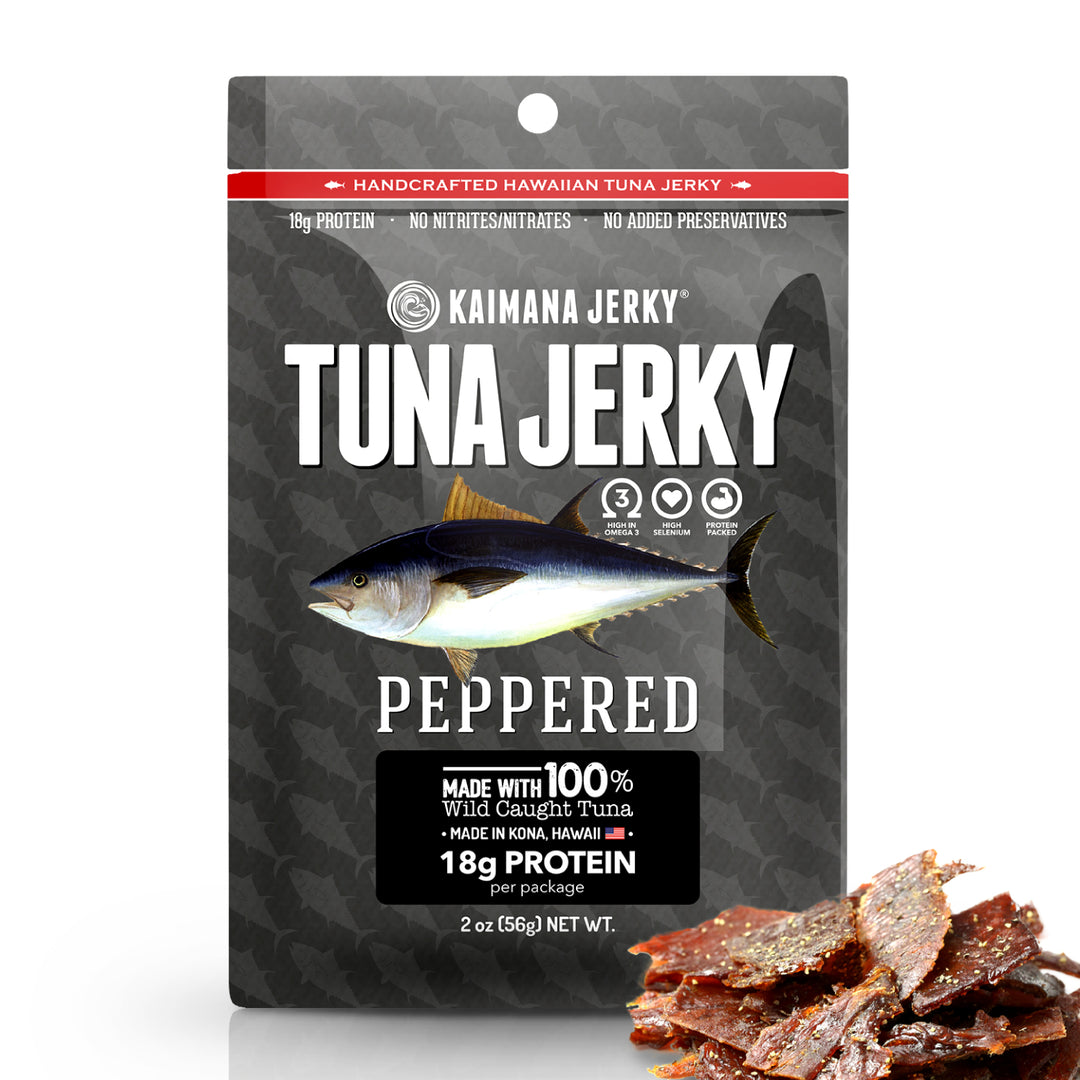
Tuna can also fall into the fatty fish category, depending on the species. For example, certain varieties like albacore contain more fat than leaner types. This is why questions like “Is tuna a fatty fish?” often depend on the specific type being consumed.
Each of these options highlights the core difference in the fatty fish vs lean fish comparison: fatty fish contain more natural oils, which contribute to their well-known health benefits.
Common Fatty Fish Nutritional Facts
Salmon: One of the most popular fatty fish, high in EPA and DHA omega-3s and a top dietary source of vitamin D.
Mackerel: A healthy fatty fish known for its concentrated omega-3 content, bold flavor, and strong protein profile.
Sardines: Small but nutrient-dense, providing omega-3 fatty acids along with calcium and vitamin D.
Herring: Valued for its healthy fat content and omega-3 levels that support heart health.
Tuna: Certain varieties, such as albacore, contain more fat than others, which is why tuna can fall into the fatty fish category depending on the species.
Health Benefits of Fatty Fish
Heart Health: Consumption of fatty fish is associated with improved heart health and may help support healthy blood pressure levels, triglyceride levels, and overall cardiovascular function. This is one of the most recognized fatty fish health benefits.
Brain Function & Mental Health: Omega-3 fatty acids are associated with supporting cognitive function and may play a role in long-term brain health.
Reduced Inflammation & Joint Health: The nutrients in Omega-3 fatty acids are known to support the body’s natural anti-inflammatory processes.
High-Quality Nutrients: Fatty fish nutrition includes complete protein and is one of the few natural food sources of vitamin D, making vitamin D fatty fish especially valuable for immune function and bone health.
Eye Health Support: The DHA found in fatty fish plays an important role in maintaining healthy vision, and DHA plays a role in maintaining eye health and normal vision function.
Support for Healthy Skin: The healthy fats in fatty fish can help maintain skin elasticity and hydration, contributing to overall skin health.
May Support Weight Management: Despite being higher in fat than lean fish, fatty fish are rich in protein and healthy fats that promote fullness and satiety, which may help support balanced eating habits.
What Is Lean Fish?
Lean fish are fish that naturally contain very low levels of fat in their flesh. These fish have a lighter texture and fewer calories per serving, making them a popular choice for those seeking low-fat fish options. Because of their minimal fat content, lean fish are often recommended in calorie-controlled or heart-conscious eating plans.
Lean fish nutrition typically includes important vitamins and minerals such as B vitamins, selenium, iodine, and phosphorus. While they contain lower levels of omega-3 fatty acids compared to fatty fish, they still provide valuable nutrients that support overall health and well-being.
Lean fish are a smart choice for those seeking healthy, lean options that are light, protein-rich, and naturally low in fat.
Common Types of Lean Fish
Cod: A popular white fish known for its mild flavor and flaky texture. Cod is widely considered one of the best lean fish to eat due to its versatility in cooking.
Haddock: Similar in texture to cod, haddock has a slightly sweeter taste and is commonly used in baked and grilled dishes.
Pollock: A light, delicate fish often used in everyday seafood meals. It’s mild in flavor and easy to prepare in a variety of recipes.
Tilapia: A widely available lean fish with a soft texture and neutral taste, making it adaptable to many cooking styles.
Flounder: A thin, delicate fish with a mild flavor that cooks quickly and works well in simple, light preparations.
Common Lean Fish Nutritional Facts
Cod: Low in fat and calories while providing a strong source of complete protein. Cod also contains B vitamins and minerals like selenium and phosphorus that support overall health.
Haddock: A high protein low fat fish that delivers essential nutrients such as vitamin B12 and selenium, while remaining low in calories.
Pollock: Known for its lean fish nutrition profile, pollock offers quality protein with minimal fat, along with iodine and other trace minerals.
Tilapia: A low-fat fish that supplies protein and important micronutrients like niacin and vitamin B12, making it a practical choice for balanced meals.
Flounder: Light and nutrient-rich, flounder provides protein, B vitamins, and minerals while maintaining a low-calorie and low-fat content.
Health Benefits of Lean Fish
Supports Weight Management: Lean fish are naturally low in calories and fat, making them a smart choice for those aiming to manage their weight while still getting enough protein.
High-Quality Protein for Muscle Health: As high-protein, low-fat fish, lean varieties help support muscle repair, maintenance, and overall strength without adding excess fat to the diet.
Heart-Conscious Option: Because they are low-fat fish, lean fish fit well into heart-healthy eating patterns focused on reducing overall saturated fat intake.
Rich in Essential Nutrients: Lean fish nutrition includes important vitamins and minerals such as B vitamins, selenium, and iodine, which support energy production and metabolic health.
Easy to Digest & Light on the Stomach: Healthy lean fish are often easier to digest due to their lower fat content, making them a comfortable option for lighter meals.
Fatty Fish vs Lean Fish: What’s the Difference?
Fat Content:
Fatty fish contain higher levels of natural oils throughout their flesh.
Lean fish contain very little fat and are classified as low-fat fish.
Calorie Density:
Fatty fish have more calories due to their higher fat content.
Lean fish are considered fish low in calories, making them suitable for calorie-conscious diets.
Omega-3 Levels:
Fatty fish are rich in omega-3 fatty acids and are often referred to as omega-3-rich fish.
Lean fish contain smaller amounts of omega-3 compared to fatty varieties.
Vitamin D Content:
Many vitamin D fatty fish options provide higher levels of this essential nutrient.
Lean fish generally contain lower amounts of vitamin D.
Protein Content:
Both fatty fish and lean fish provide complete, high-quality protein.
Lean fish are often categorized as high-protein, low-fat fish due to their minimal fat content.
Nutritional Focus:
Fatty fish nutrition emphasizes healthy fats and omega-3 benefits.
Lean fish nutrition focuses on protein density with fewer calories and less fat.