Eggs
Eggs do not naturally contain alpha-gal because they come from birds rather than mammals. Plain eggs may be suitable for many people with alpha-gal syndrome unless they have a separate egg allergy.
Prepared egg dishes may contain milk, butter, cheese, sausage, bacon, gravy, or animal-based cooking fats. Ask how the dish was made before eating it.
Fruits
Fresh fruits do not naturally contain alpha-gal. Apples, bananas, berries, oranges, grapes, and other plain fruits can be included according to personal preferences and dietary needs.
Processed fruit products need closer review. Gelatin, milk ingredients, glazes, flavorings, or other additives may appear in fruit snacks, desserts, and prepared fruit dishes.
Vegetables
Plain vegetables do not naturally contain alpha-gal. Fresh, frozen, or simply prepared vegetables can provide flexible options when following an alpha-gal diet plan.
Preparation is important. Vegetables may be cooked with butter, bacon, lard, meat broth, cheese, or gravy, so check the ingredients when eating packaged foods or meals prepared by someone else.
Plain Grains and Starches
Rice, oats, corn, quinoa, potatoes, and other plant-based grains and starches do not naturally contain alpha-gal. Plain versions may fit into an alpha-gal syndrome diet.
Packaged breads, cereals, crackers, and prepared grain dishes can contain milk, gelatin, animal fat, or other additives. Always review the ingredient label instead of relying only on the product name.
Beans and Lentils
Beans and lentils are plant foods and do not naturally contain alpha-gal. Plain versions can add variety to meals and snacks without introducing mammalian meat.
Canned, seasoned, or restaurant-prepared beans may contain pork, bacon, lard, meat broth, or flavoring derived from mammals. Check the label or ask about preparation before eating them.
Nuts and Seeds
Plain nuts and seeds do not naturally contain alpha-gal. They can be convenient additions to meals or snacks for people following an alpha-gal diet.
Flavored or coated varieties may contain dairy ingredients, gelatin, or other additives. Products made on shared equipment may also require extra attention depending on a person’s sensitivity and other allergies.
The simplest approach is to start with plain, clearly identified foods and check every added ingredient. Alpha-gal reactions and sensitivities can vary, so a personalized plan from a qualified healthcare professional remains essential.
List of Foods to Avoid With Alpha Gal Syndrome
People with alpha-gal syndrome are generally advised to avoid mammalian meat and any other foods that have caused a reaction. However, sensitivities vary, so the exact list of foods to avoid with alpha-gal should be based on guidance from an allergist or another qualified healthcare professional.
Mammalian Meat
Beef, pork, lamb, venison, rabbit, and other mammalian meats are common sources of alpha-gal. According to the Centers for Disease Control and Prevention, people with alpha-gal syndrome are more likely to react to mammalian meat than to other products that may contain alpha-gal.
This category also includes foods made with mammalian meat, such as burgers, sausages, hot dogs, meatballs, and deli meats. Ingredients and casings can vary, so packaged products should always be checked carefully.
Mammalian Organ Meat
Liver, kidneys, intestines, sweetbreads, and other mammalian organ meats are sources of alpha-gal and may trigger reactions in people with alpha-gal syndrome.
Foods such as tripe, scrapple, and dishes made with organ meat may not always be clearly labeled. Ask about ingredients when eating food prepared by someone else.
Meat Broths, Gravies, and Stocks
Broths, stocks, soups, sauces, and gravies may be made with beef, pork, or other mammalian meat. Even when a dish does not contain visible pieces of meat, its base may still include mammal-derived ingredients.
Check labels for terms such as beef broth, pork stock, meat extract, or animal fat. At restaurants, ask what type of broth or stock is used during preparation.
Lard, Tallow, and Mammalian Fat
Lard comes from pigs, while tallow is commonly made from cattle or sheep. These fats may be used for frying, baking, seasoning, or preparing restaurant food.
They can also appear in pastries, refried beans, pie crusts, gravies, and fried foods. Ingredient labels and cooking methods should be checked before eating.
Gelatin
Mammal-derived gelatin may contain alpha-gal and can trigger reactions in some people with alpha-gal syndrome. It can appear in gummy candies, marshmallows, gelatin desserts, capsules, and some processed foods.
The amount of alpha-gal and individual reactions to gelatin can vary. Anyone who has been advised to avoid it should check both food and supplement labels carefully.
Dairy Products, When Individually Required
Milk and other mammalian dairy products can contain alpha-gal, although many people with alpha-gal syndrome tolerate them. The CDC notes that many people with alpha-gal syndrome can tolerate dairy products, so dairy should not automatically be removed unless a healthcare professional recommends it or it causes symptoms.
People who do react may need to check milk, cheese, butter, cream, ice cream, yogurt, and foods containing dairy ingredients. Any dietary restriction should be individualized rather than based on a universal alpha-gal foods-to-avoid list.
Processed Foods With Mammal-Derived Ingredients
Some processed foods may contain gelatin, dairy, animal fat, meat flavoring, or other mammal-derived ingredients. These ingredients can appear in baked goods, snacks, desserts, soups, sauces, and seasoning mixes.
A product should not be considered suitable based only on its name or appearance. Review the complete ingredient list and contact the manufacturer when an ingredient source is unclear.
Foods Prepared With Shared Equipment
Shared grills, fryers, cookware, or utensils may be a concern for some people, especially if mammalian fat or meat residue remains. The precautions needed should be based on guidance from the person’s allergist.
Cross-contact sensitivity varies, so restaurant precautions should follow the person’s medical guidance. Clearly explain the allergy and ask how the food is cooked before ordering.
The safest alpha-gal syndrome diet is individualized. Avoid confirmed triggers, read labels closely, and work with a qualified healthcare professional before removing broad food groups such as dairy from the diet.
What to Check on Food Labels for an Alpha Gal Diet
Reading labels is an important part of following an alpha-gal diet because mammal-derived ingredients can appear in foods that do not obviously contain meat. Product recipes can also change, so check the full label every time you buy a packaged food.
Read the Complete Ingredient List
Do not rely only on the product name, front-of-package claims, or a short allergen statement. Review every ingredient for mammalian meat, meat broth, animal fat, gelatin, dairy, or other ingredients your healthcare provider has advised you to avoid.
The CDC notes that its list of products that may contain alpha-gal is not exhaustive. People with alpha-gal syndrome may also react differently to the same ingredient or product.
Look for Mammalian Meat and Meat-Based Ingredients
Check for beef, pork, lamb, venison, rabbit, and other mammalian meats. Ingredients such as beef broth, pork stock, meat extract, meat flavoring, and mammalian organ meat may also be relevant.
These ingredients can appear in soups, sauces, gravies, seasoning mixes, prepared beans, frozen meals, and foods that do not contain visible pieces of meat.
Check for Gelatin
Gelatin is often made from mammalian skin, bones, or connective tissue. It may appear in gummy candy, marshmallows, gelatin desserts, capsules, and some processed foods.
The source may not always be clear from the label. When gelatin is listed and its source matters for your individual restrictions, contact the manufacturer for more information.
Review Dairy Ingredients Based on Personal Tolerance
Milk, butter, cream, cheese, whey, casein, and other dairy ingredients come from mammals. However, dairy tolerance varies among people with alpha-gal syndrome.
The CDC explains that many people with alpha-gal syndrome can tolerate milk products. Dairy should therefore be restricted according to personal reactions and advice from a qualified healthcare professional, rather than automatically avoided by everyone.
Watch for Animal Fats
Look for terms such as lard, tallow, beef fat, pork fat, and shortening made with animal fat. These ingredients may appear in baked goods, pie crusts, fried foods, gravies, beans, and savory snacks.
When a label simply says “animal fat,” the source may be unclear. Contacting the manufacturer may be necessary before deciding whether the product fits your alpha-gal diet plan.
Examine Broths, Flavorings, and Seasonings
Broths, meat flavorings, seasoning blends, and soup bases may require closer review when their source is unclear. Terms such as “natural flavors” do not automatically indicate a mammalian source. When the source matters for your individual restrictions, contact the manufacturer for more information.
Understand the Limits of Allergen Statements
A “Contains” statement can help identify major allergens such as milk, but it does not provide a complete alpha-gal warning. Alpha-gal itself is not one of the major food allergens required to appear in a dedicated allergen statement under current U.S. labeling rules.
For that reason, someone following an alpha-gal syndrome diet should still read the full ingredient list even when the allergen statement does not mention milk or any other concern.
Check Advisory Cross-Contact Statements
Voluntary statements such as “may contain” or “made on shared equipment” may provide information about possible cross-contact, but they are not used consistently and may not appear on every relevant product.
Individual sensitivity to cross-contact can vary. Follow the precautions recommended by your allergist and contact the manufacturer when the label does not provide enough information.
Recheck Familiar Products
Manufacturers may change ingredients, suppliers, or processing methods without making the change obvious on the front of the package. A product that fit your alpha-gal diet previously may have a different formula later.
Check the ingredient list each time you purchase a product, especially after packaging changes. The FDA recommends reading food labels carefully to identify ingredients that may cause an allergic reaction.
A food label can provide valuable information, but it may not answer every question about ingredient sources or cross-contact. When details are unclear, contact the manufacturer and follow the individualized guidance provided by your allergist or another qualified healthcare professional.
How to Build an Alpha Gal Diet Plan
An alpha-gal diet plan should reflect your confirmed triggers, personal tolerance, and medical guidance. Because reactions vary, a food that works for one person with alpha-gal syndrome may not be appropriate for another.
Work With a Qualified Healthcare Professional
Start by discussing your symptoms, test results, and previous reactions with an allergist or another qualified healthcare professional. The Centers for Disease Control and Prevention recommends avoiding foods and products that contain alpha-gal while following the care plan provided by your healthcare provider.
Professional guidance is especially important before removing broad food groups such as dairy. Individual tolerance can differ, and unnecessary restrictions may make the diet harder to manage.
Identify Your Confirmed Triggers
Keep a clear record of foods, ingredients, symptoms, and the timing of any suspected reactions. This information can help your healthcare provider evaluate patterns and distinguish possible alpha-gal reactions from unrelated symptoms.
Do not test a suspected trigger at home without medical guidance. Alpha-gal syndrome can cause serious reactions, and exposure may not produce the same response every time.
Build Meals Around Plain, Clearly Identified Foods
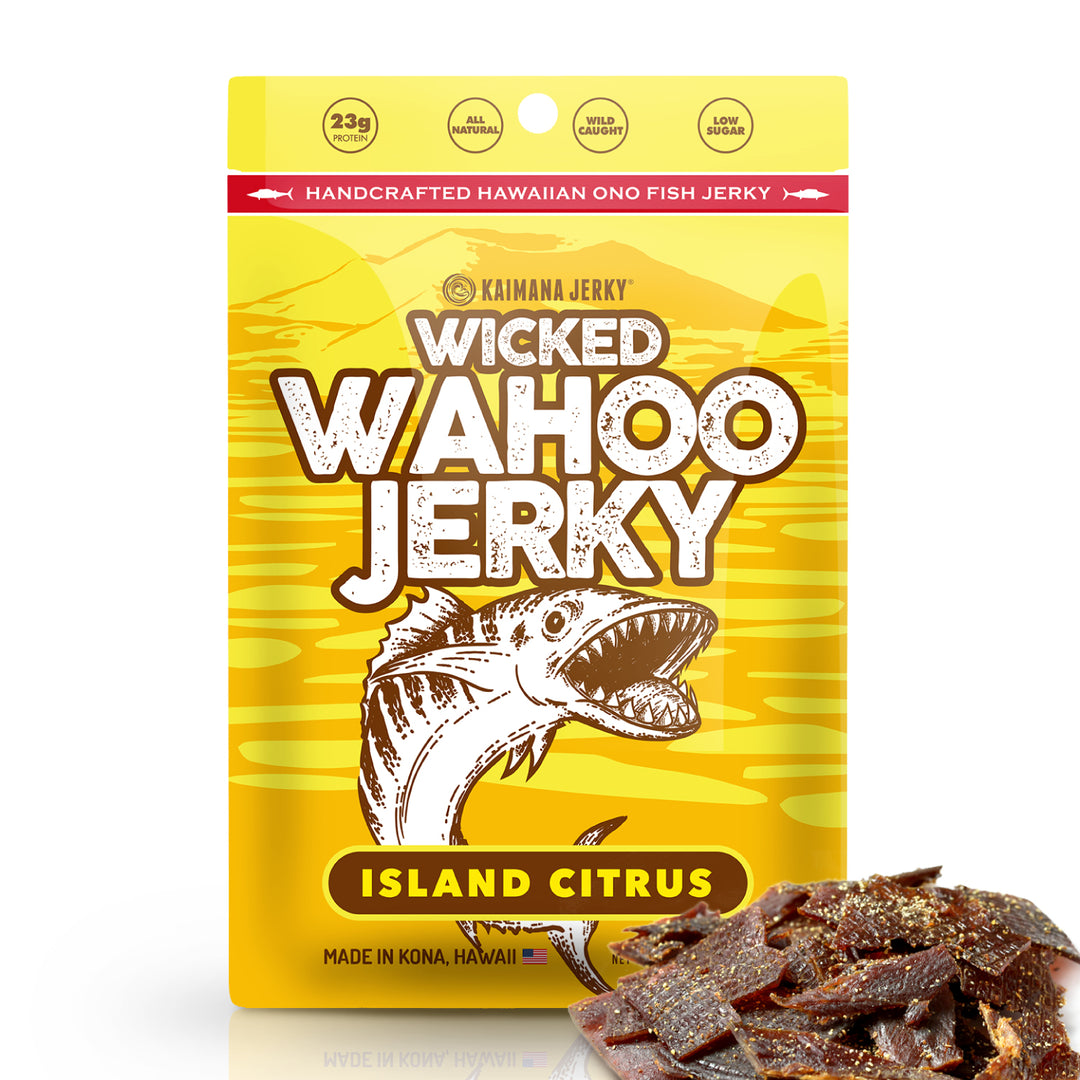
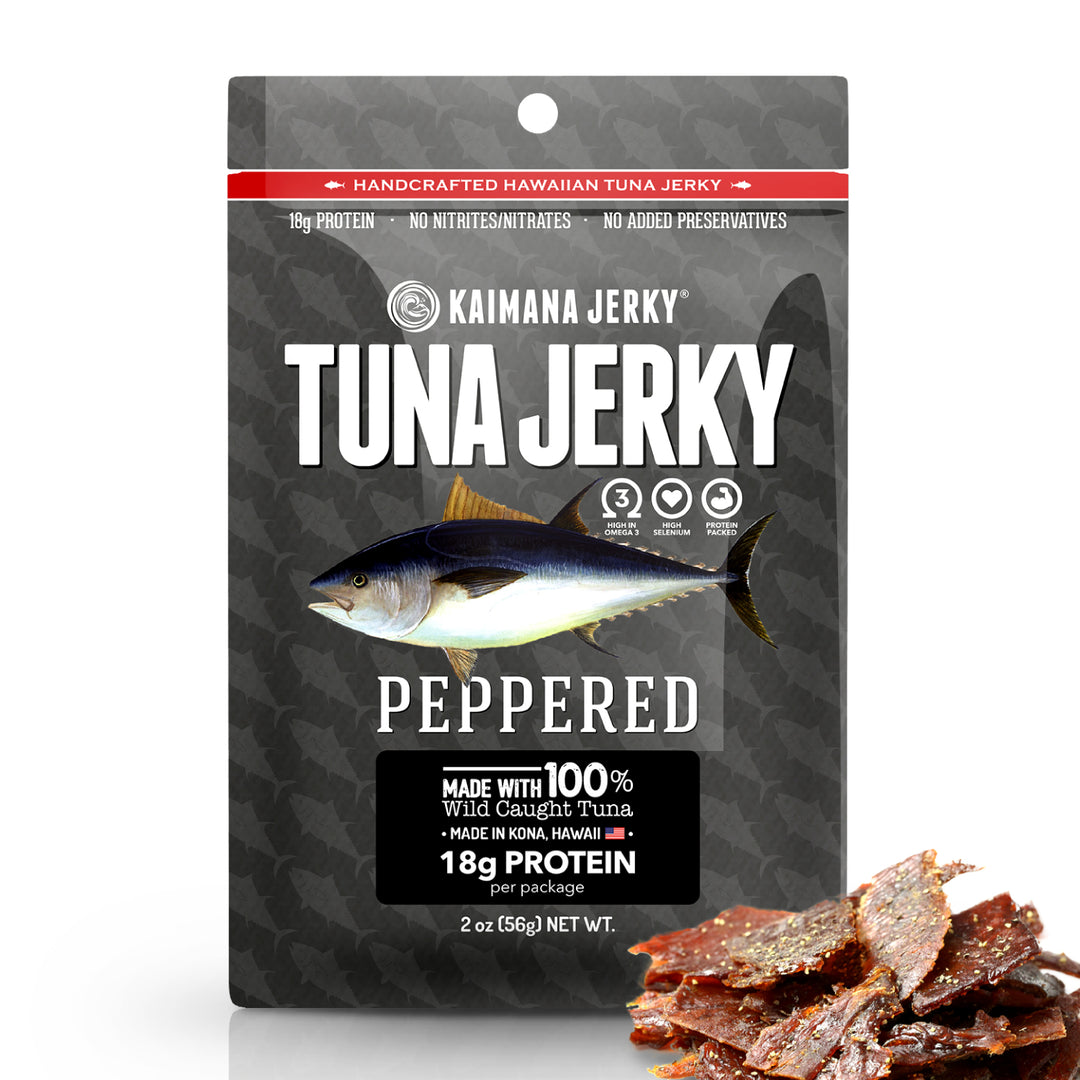
Begin with foods that do not naturally contain alpha-gal and that are appropriate for your other dietary needs. For broader meal and snack inspiration, this guide offers simple snack ideas built around several of these foods.
The way a food is prepared still matters. Sauces, broths, cooking fats, marinades, gelatin, dairy ingredients, and shared equipment should be checked according to your individual restrictions.
Read Labels Every Time
Review the complete ingredient list whenever you buy packaged food. Recipes, suppliers, and manufacturing methods can change, even when the product name and packaging appear familiar.
When an ingredient source is unclear, contact the manufacturer before eating the product. Avoid relying only on front-label phrases such as “meat-free” or “plant-based.”
Plan for Work, Travel, and Restaurants
Keep suitable meals or snacks available for situations where ingredient information may be limited, especially when selecting portable snacks for flights and road trips. Preparing food at home can provide greater control over ingredients and cooking methods.
At restaurants, clearly explain the allergy and ask about broths, sauces, butter, animal fats, shared grills, fryers, and utensils. Cross-contact concerns should be handled according to the precautions recommended by your allergist.
Prepare for Accidental Exposure
Follow the emergency plan provided by your healthcare professional. If epinephrine has been prescribed, use it as directed and seek immediate emergency care for signs of anaphylaxis.
Family members, coworkers, or close friends may also benefit from knowing how to recognize a serious reaction and where emergency medication is kept.
Reduce the Risk of Future Tick Bites
Preventing additional tick bites is an important part of managing alpha-gal syndrome. The CDC recommends taking steps to avoid tick exposure because new bites may affect the condition.
Use recommended tick-prevention practices when spending time in grassy, wooded, or brushy areas, and check your body and clothing afterward.
A useful alpha-gal diet plan is clear, flexible, and based on verified information rather than guesswork. Focus on confirmed triggers, simple foods, careful label reading, and ongoing guidance from a qualified healthcare professional.