Fresh Fruit With Nuts
Fresh fruit paired with walnuts, almonds, or mixed nuts is one of the easiest Mediterranean snack ideas to prepare.
It requires little more than portioning the ingredients and works well for work, travel, or an afternoon snack. Nuts are also commonly included alongside fruit, seeds, and other whole foods in Mediterranean-style eating.
Roasted Chickpeas
Roasted chickpeas are a crunchy option when you want something savory and easy to portion.
They can be prepared ahead or purchased packaged, making them useful for busy days when you want a snack based on legumes rather than traditional chips.
Smoked Salmon Avocado Toast
Whole-grain toast topped with avocado and smoked salmon is a more substantial snack for days when you have a few extra minutes.
The combination of whole grains, avocado, and seafood can also work as a light meal when a smaller snack is not enough.
Nuts and Seeds
Walnuts, almonds, chia seeds, and other nuts and seeds can be eaten on their own or added to yogurt and fruit.
They are easy to portion, require little preparation, and can be useful when you need Mediterranean food snacks that travel well.
These Mediterranean diet snack ideas give you a mix of fresh, refrigerated, and shelf-stable choices. Keeping several different options available can make it easier to find something that fits your schedule without relying on the same snack every day.
Can Seafood Be Part of Mediterranean Diet Snacks?
Yes. Fish and seafood can fit naturally into Mediterranean-style eating, especially when paired with foods such as vegetables, whole grains, legumes, nuts, seeds, or other simple ingredients. Salmon, tuna, and wahoo are all seafood options that can work within this type of eating pattern.
Choose Seafood That Fits the Snack
Tuna can be paired with whole-grain crackers or fresh vegetables, while salmon can work with avocado or whole-grain toast. The goal is to keep the combination simple and choose foods that complement the seafood rather than covering it with unnecessary extras.
Fish Jerky Can Be a Convenient Option
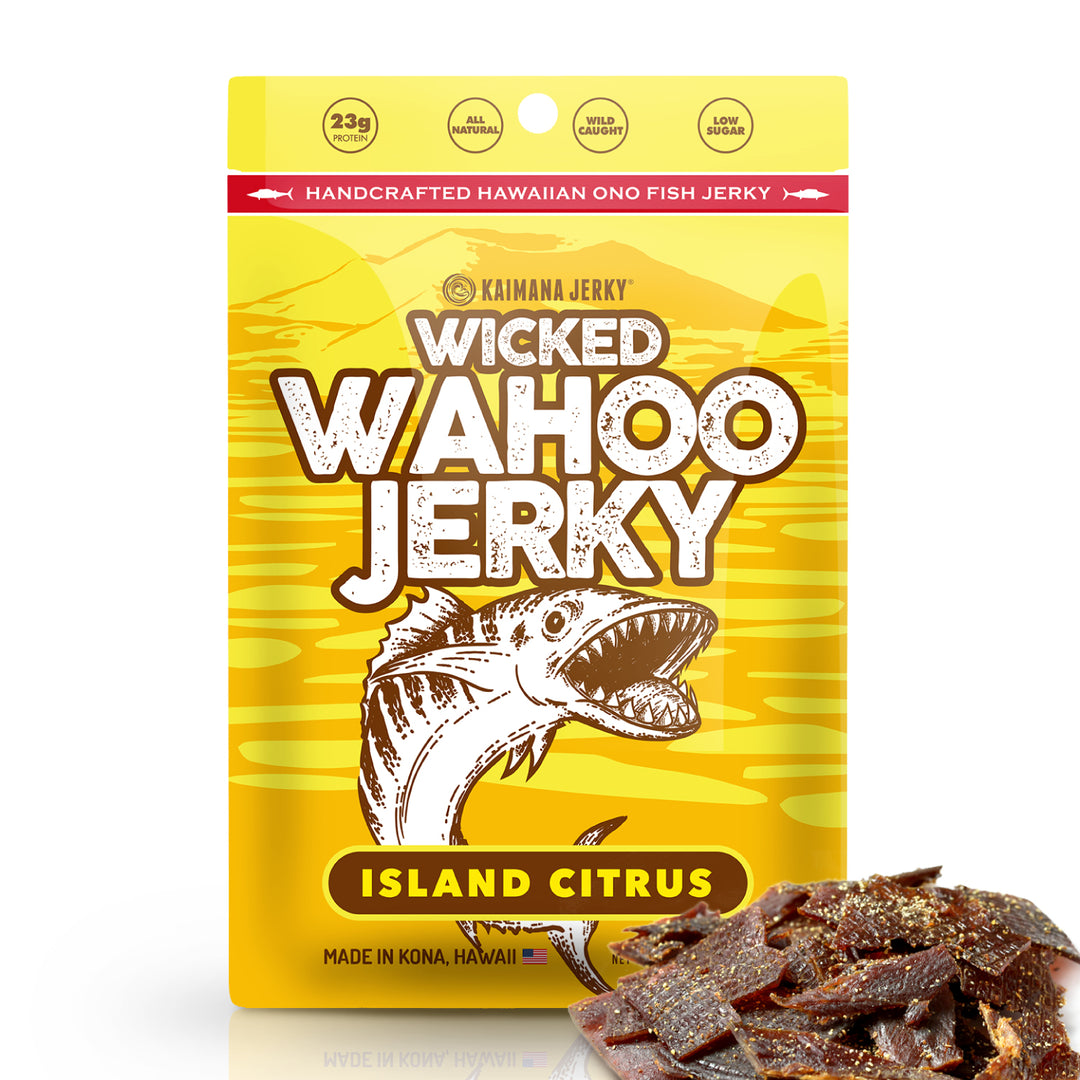
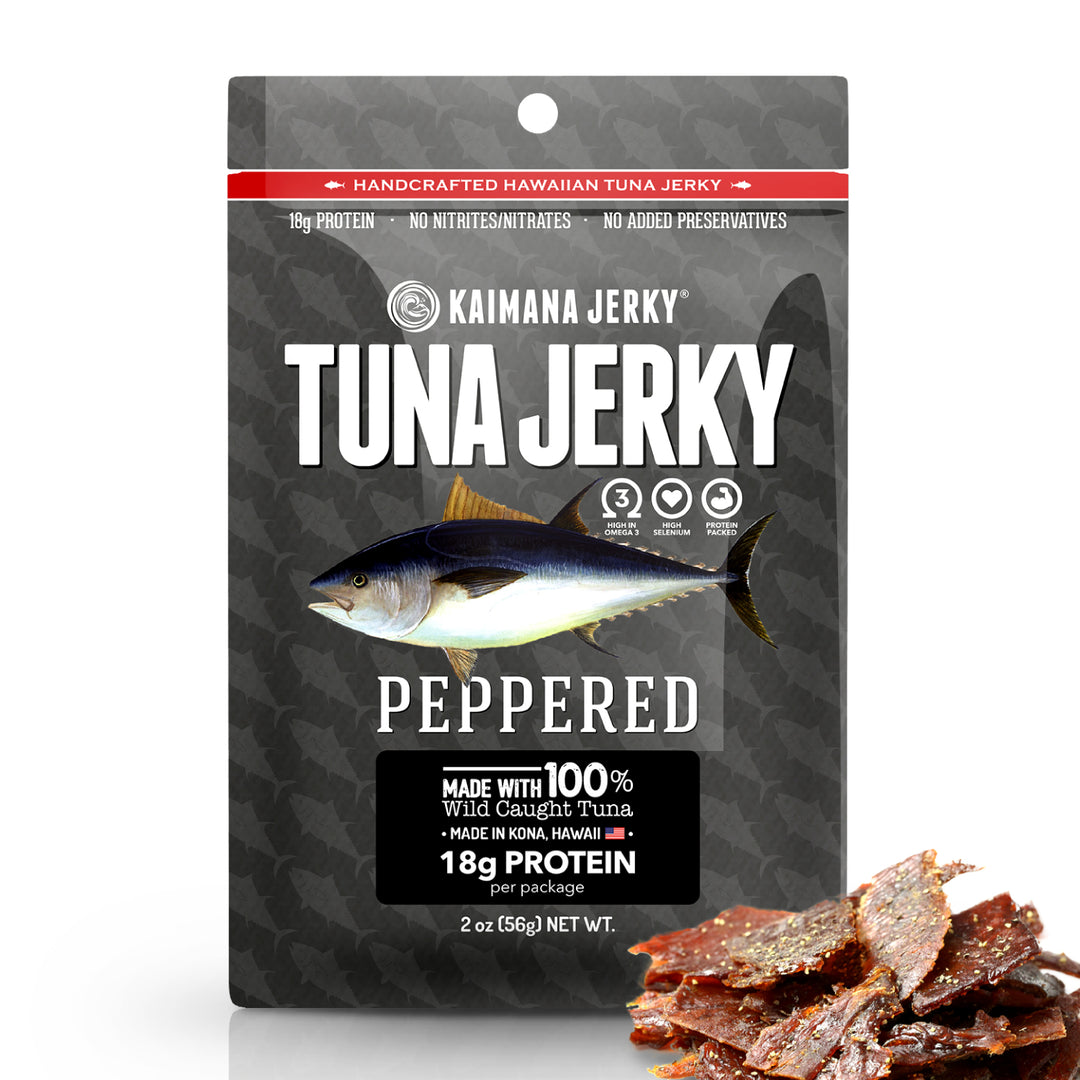
Fish jerky offers another way to include seafood when fresh or refrigerated foods are not practical. Kaimana offers ahi tuna, salmon, and wahoo jerky, making it easy to keep a protein-focused seafood snack available for work, travel, or busy days. For readers comparing different varieties, this guide to fish jerky nutrition, flavor, and storage provides more detail.
Different Fish Offer Different Options
Salmon, ahi tuna, and wahoo each have different flavors and nutritional profiles, so there is no need to rely on only one type of fish. A comparison of salmon, tuna, and wahoo can help explain how those options differ. Rotating between different seafood options can also keep Mediterranean diet snacks more varied and interesting.
How to Choose Packaged Snacks on a Mediterranean Diet
Packaged foods can make snacks on a Mediterranean diet much easier when you are busy. The key is to look beyond the front of the package and check what is actually in the product.
Read the Ingredient List
Start with the ingredients. Look for snacks built around foods that fit naturally into your eating pattern, such as fish, nuts, seeds, legumes, whole grains, or other familiar ingredients.
For products such as fish jerky, ingredients and seasonings can vary by flavor, so checking the individual package is important.
Check the Protein
If you want a more substantial snack, compare the amount of protein per serving. Seafood-based snacks, nuts, seeds, yogurt, and other protein-containing foods can all be useful options.
Protein amounts can differ even between similar packaged products, so use the nutrition label rather than assuming every variety is the same.
Compare Added Sugar
Flavored packaged snacks may contain added sweeteners, so pay attention to sugar when comparing similar products. Jerky marinades, for example, can include ingredients such as brown sugar depending on the flavor. Similar label-reading principles also apply when comparing high-protein, lower-carb packaged snacks, where marinades and sauces can change the final nutrition profile.
This does not mean you need to avoid every product containing sugar. It simply gives you more information when choosing Mediterranean food snacks that fit your preferences.
Look at Sodium and Serving Size
Sodium and serving sizes can also vary between packaged snacks. Checking both makes it easier to compare products fairly and understand what one serving actually provides.
Choose Convenience Without Ignoring the Label
A packaged snack can still be useful when convenience matters. Fish jerky, nuts, seeds, roasted chickpeas, and similar portable foods can make Mediterranean-style snacking easier during work, travel, or busy afternoons. These healthy snack ideas for work offer more options for days when portability and convenience matter.
The best approach is to choose something you enjoy while considering the ingredients, protein, sugar, sodium, and serving size together rather than judging a snack by a single number.
How Protein Fits Into Mediterranean Diet Snacking
Protein can help make Mediterranean diet snacks more substantial, especially when there is a long stretch between meals. It can come from both plant-based foods and seafood, giving you plenty of flexibility when building snacks for different parts of the day.
Choose a Protein Source That Fits the Snack
Greek yogurt, eggs, hummus, tuna, salmon, fish jerky, nuts, and seeds can all contribute protein. The right choice depends on whether you want something fresh, refrigerated, or easy to carry with you.
For busy days, portable options such as nuts, seeds, tuna packets, or fish jerky can be especially practical.
Pair Protein With Plant Foods
Protein does not need to stand alone. Pairing it with fruit, vegetables, whole grains, nuts, or seeds can add more texture and variety to the snack.
Simple combinations include tuna with whole-grain crackers, Greek yogurt with berries and walnuts, or hummus with fresh vegetables.
Seafood Can Add Variety
Seafood gives you another way to include protein in Mediterranean snacks. Tuna and salmon can be used in fresh or refrigerated snacks, while fish jerky provides a more portable option when preparation or refrigeration is not convenient.
Using different protein sources throughout the week can also keep snack choices from becoming repetitive.
Protein Does Not Have to Dominate the Snack
A Mediterranean diet snack does not need to be extremely high in protein to be useful. Protein can simply be one part of a balanced combination that also includes foods such as vegetables, fruit, whole grains, legumes, nuts, or seeds.
The goal is to choose a snack that fits your appetite and routine rather than focusing on one nutrient alone.
Why Healthy Fats Matter in Mediterranean Snacks
Healthy fats can add flavor, texture, and staying power to Mediterranean snacks. Foods such as nuts, seeds, nut butter, hummus, avocado, and certain fish can provide fat while pairing easily with fruit, vegetables, yogurt, or whole grains.
They Can Make Snacks More Satisfying
Adding a small portion of nuts, seeds, nut butter, or hummus can make a simple snack feel more substantial. For example, fruit can be paired with nut butter, vegetables with hummus, or yogurt with nuts and seeds.
Nuts and Seeds Are Easy to Add
Walnuts, almonds, chia seeds, pumpkin seeds, and other nuts and seeds are easy to portion and combine with other foods. They can be eaten on their own or added to yogurt, fruit, or trail mix for extra texture.
Seafood Can Provide Healthy Fats Too
Some fish naturally provide omega-3 fatty acids. Salmon is one example, which makes salmon-based snacks another way to include seafood alongside other Mediterranean-style foods. Understanding the difference between fatty fish and lean fish can also help when choosing seafood based on its fat profile.
Portion Size Still Matters
Foods such as nuts, seeds, and nut butter can be filling even in smaller portions. Pairing them with fruit, vegetables, yogurt, or another protein source can help create a balanced snack without making one ingredient dominate.
Healthy Mediterranean snacks do not need to contain large amounts of fat. A small amount from nuts, seeds, hummus, avocado, or fish can add variety and help make snack time more satisfying.
How to Add More Protein to Mediterranean Snacks
Adding more protein to Mediterranean snacks can be as simple as pairing a familiar snack with one protein-rich food. You do not need to completely change what you are eating. Small additions such as yogurt, eggs, seafood, nuts, or hummus can make a snack more substantial.
Add Greek Yogurt
Plain Greek yogurt can be eaten on its own or paired with berries, nuts, seeds, or fruit. It works well when you want a refrigerated snack that is quick to assemble and easy to customize.
Include Fish or Seafood
Tuna, salmon, and other seafood can add protein to Mediterranean-style snacking. Tuna can be paired with whole-grain crackers or vegetables, while fish jerky offers a portable option when refrigeration is not convenient.
Pair Vegetables With Hummus
Fresh vegetables are easy to turn into a more substantial snack by adding hummus. Cucumber, carrots, and bell peppers all work well and add crunch alongside the creamy texture of hummus.
Add Eggs
Hard-boiled eggs are easy to prepare ahead and can be paired with tomatoes, cucumber, whole-grain crackers, or other simple foods. They are especially useful when you want a savory snack that requires little preparation during the day.
Use Nuts and Seeds
Walnuts, almonds, chia seeds, and other nuts and seeds can add some protein while also contributing fats and texture. Sprinkle them over Greek yogurt or pair a small portion with fruit for an easy snack.
Combine Two Simple Foods
You do not need a special recipe to make high-protein Mediterranean snacks. Start with one food you already enjoy and add a protein source.
Simple combinations include:
- Fruit with Greek yogurt
- Vegetables with hummus
- Tuna with whole-grain crackers
- Fish jerky with nuts
- Hard-boiled eggs with fresh vegetables
- Greek yogurt with walnuts and chia seeds
These small pairings can make Mediterranean snacks more substantial while keeping preparation quick and manageable for busy days.