Nuts and Seeds
Nuts and seeds can be healthy low-carb snacks when eaten in the right portion. Almonds, walnuts, pecans, pumpkin seeds, and sunflower seeds are popular options because they offer crunch, fat, and some protein.
The main thing to watch is serving size. Nuts and seeds are calorie-dense, and flavored versions may include sugar or starches, so plain, roasted, or lightly salted options are usually the better pick.
Pork Rinds
Pork rinds are a crunchy snack that contains little to no carbohydrates, depending on the product. They can be useful for people who miss chips but want something that fits a low-carb routine, especially for anyone looking for more savory snack ideas with texture and crunch.
That said, they are usually salty and should be treated as a snack food, not the foundation of your diet. Check the ingredient list and nutrition label, especially on flavored varieties.
Plain Greek Yogurt With No Added Sugar
Plain Greek yogurt can be a satisfying snack because it offers protein and a creamy texture. It is not a zero-carb food, but unsweetened Greek yogurt can still fit into many low-carb eating plans.
The key is choosing plain yogurt with no added sugar, especially since many flavored snacks and sweets can contain more sugar than expected. Flavored yogurts often contain sweeteners, syrups, or fruit blends that can raise the carb count quickly.
Cottage Cheese
Cottage cheese is another easy, high-protein snack that can work well in a low-carb routine. It is soft, mild, and filling enough to eat on its own or with simple seasonings.
Like Greek yogurt, cottage cheese still contains some natural carbs, so the label matters. Choose plain cottage cheese and avoid sweetened fruit-on-the-bottom versions if you are trying to keep carbs low.
Avocado With Salt or Seasoning
Avocado is naturally low in net carbs and rich in fat, which makes it a filling snack option. A half avocado with salt, pepper, chili flakes, or everything seasoning can be quick and satisfying.
It is also easy to customize without adding sugar. Just keep portions in mind, especially if you are watching calories, since avocado is more energy-dense than many vegetables.
Cucumber Slices With Dip
Cucumber slices are crisp, refreshing, and low in carbs, making them a good base for a snack. They work especially well when paired with a dip that adds fat or protein.
Choose dips carefully. Options like guacamole, plain Greek yogurt-based dip, cream cheese, or low-sugar ranch-style dip can work, but always check labels for added sugar and serving size.
Celery With Peanut Butter
Celery with peanut butter is a classic snack that gives you crunch, creaminess, and staying power. Celery is low in carbs, while peanut butter adds fat and a little protein.
Use a moderate amount of peanut butter, since the carbs and calories can add up with larger servings. Look for peanut butter made with peanuts and salt, without added sugar.
Olives
Olives are a simple, low-carb snack with a salty, savory flavor. They are easy to serve with cheese, turkey roll-ups, or cucumber slices when you want something snacky but not sweet.
Because olives are often packed in brine, they can be high in sodium. That does not make them off-limits, but it is a good reason to pay attention to portion size.
Turkey Roll-Ups
Turkey roll-ups are easy to make with sliced turkey wrapped around cheese, cucumber, avocado, or lettuce. They are a practical high-protein, low-carb snack when you want something more substantial than a handful of nuts.
Choose turkey slices with simple ingredients when possible. Some deli meats can include added sugar, fillers, or higher sodium, so the nutrition label is worth checking.
Low-Sugar Protein Shakes
Low-sugar protein shakes can be helpful when you need something fast after a workout, during travel, or between busy meals. They are convenient and can provide a steady dose of protein without much prep.
Not all protein shakes are low carb, though. Look for options with no added sugar, a reasonable carb count, and ingredients that fit your preferences.
Roasted Edamame
Roasted edamame is a higher-protein snack with some carbs, so it is not the lowest-carb option on this list. Still, it can be a useful choice for people who want crunch and protein in the same snack.
Because it contains more carbs than foods like eggs, cheese, or jerky, portion size matters. Check the label and decide whether it fits your daily carb goal.
To wrap it up, the most useful low-carb snacks are the ones you will actually reach for and enjoy. Keeping a mix of protein-rich, crunchy, creamy, and fresh options on hand makes it easier to avoid last-minute choices that may not fit your goals.
You do not need every snack to be completely carb-free. A small amount of carbs can still fit into a balanced routine, especially when the snack also brings protein, fat, or fiber to help you feel satisfied.
Why Jerky Works So Well as a Low-Carb Snack
Jerky works well as a low-carb snack because it is built around protein and convenience. Many unopened jerky products do not require refrigeration, which makes it easy to keep them in a pantry, desk drawer, gym bag, or travel bag.
It is also satisfying in a way that many light snacks are not. The chewy texture, savory flavor, and protein content can make jerky feel more substantial than something sweet or airy, especially when you need a quick snack between meals.
Another reason jerky is useful is portion control. Most packages clearly list serving size, protein, carbs, sugar, and sodium, so it is easier to compare options and choose one that fits your day.
The main thing to watch is added sugar. Some jerky flavors use sweet marinades, glazes, or sauces that can raise the carb count. If you are shopping for a low-carb option, check the nutrition label and ingredient list before buying.
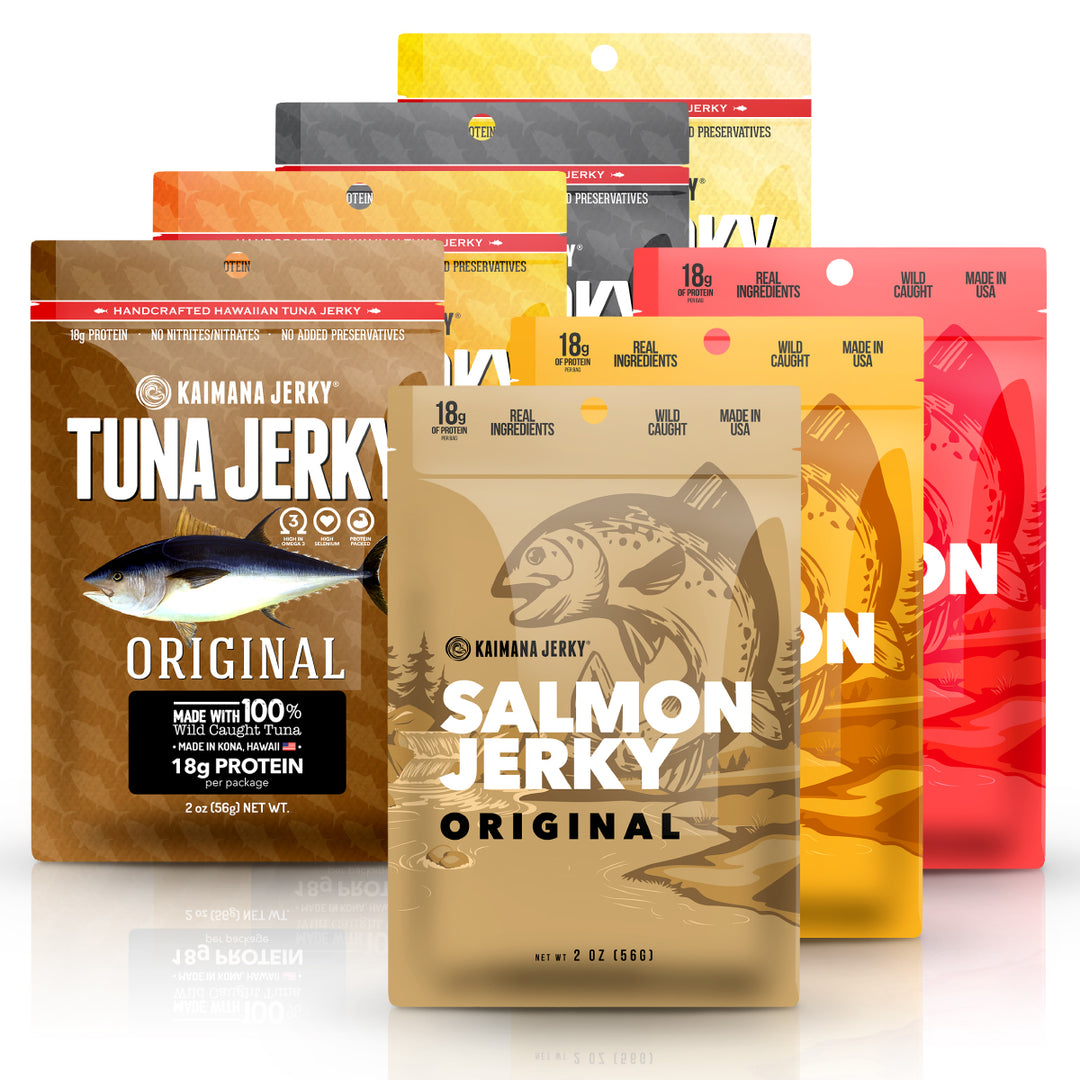
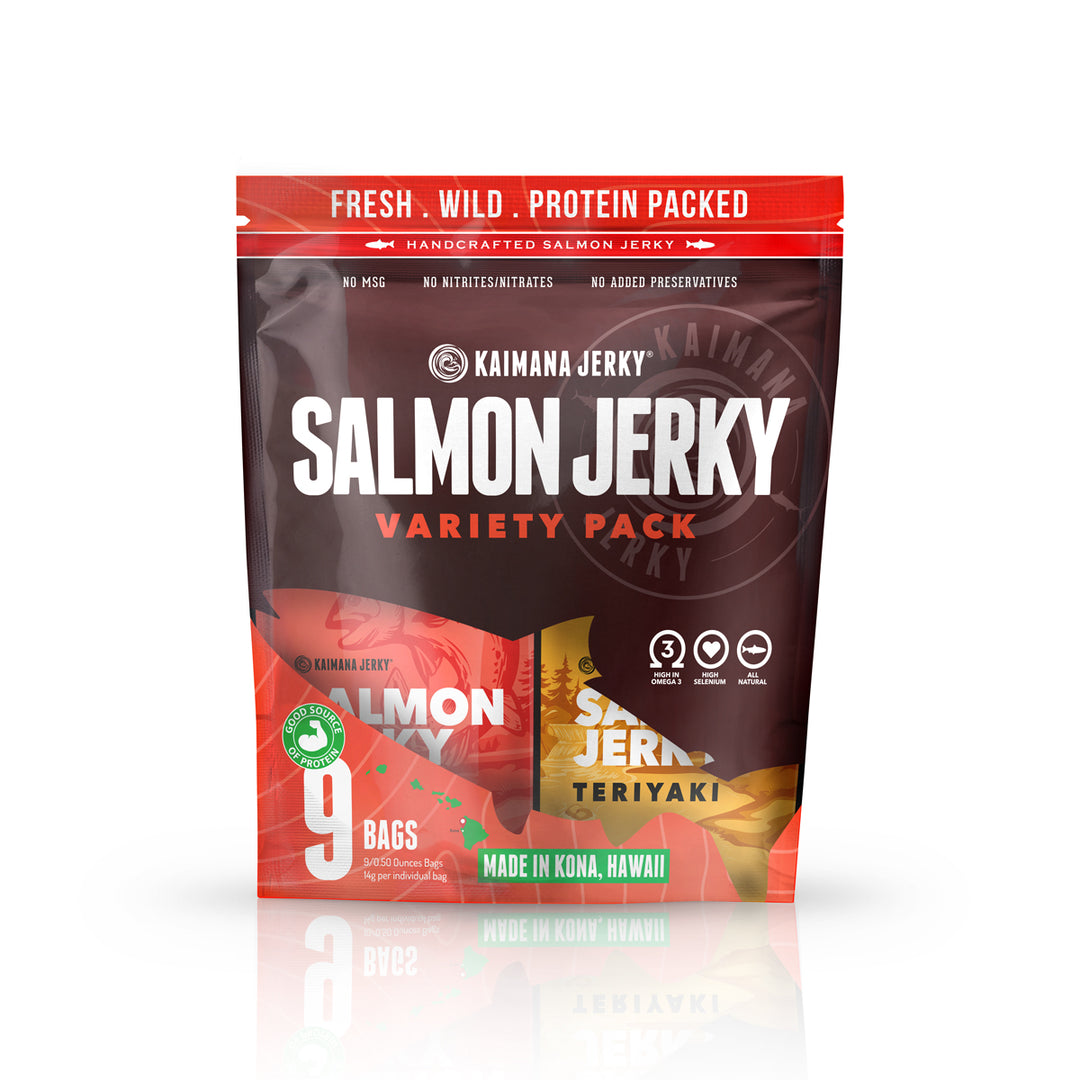
Fish Jerky can be one of the best snacks to keep on hand when you want something savory, portable, and filling. It is especially helpful for travel, work, hiking, road trips, or any time you need a snack that will not get crushed or messy in your bag.
Best Snacks on a Low-Carb Diet: What to Look For
The best snacks on a low-carb diet are not just the ones with the lowest carb count. A snack should also be filling, easy to enjoy, and made with ingredients that make sense for your routine. Otherwise, you may end up hungry again soon after eating.
A good place to start is protein. Snacks like eggs, jerky, tuna packets, turkey roll-ups, cheese, Greek yogurt, and cottage cheese can help make a snack feel more complete - and understanding the difference between fatty and lean fish can help you choose seafood-based options more intentionally. Protein gives the snack more staying power, which is especially helpful during busy days, travel, or long gaps between meals.
Fat and fiber can also help with satisfaction. Foods like avocado, olives, nuts, seeds, cucumber slices with dip, and celery with peanut butter can add texture and make snacking feel less restrictive. Just keep portions in mind, especially with calorie-dense foods like nuts, nut butter, and avocado.
When buying packaged snacks, always check the nutrition label. Look at total carbs, added sugar, protein, serving size, and sodium. Some products that look like low-carb healthy treats may still contain sweeteners, starches, or sauces that add more carbs than expected.
A simple checklist can help:
- Choose snacks with protein, fat, or fiber.
- Watch for added sugar.
- Check serving size before judging the carb count.
- Avoid snacks that are mostly refined flour or starch.
- Pick options that are easy enough to keep on hand.
The best low-carb foods are the ones that fit your lifestyle without making snacking complicated, whether you prefer simple protein snacks or a wider mix of easy snack ideas from Hawaii. A mix of savory, crunchy, creamy, and fresh options gives you more variety and makes it easier to stick with your goals.
Low-Carb Snacks for Diabetics: What to Check Before You Buy
When choosing low-carb snacks for diabetics, the goal is to look beyond the front of the package. A snack may sound healthy, but the nutrition label gives you a clearer picture of how it fits into your routine.
Serving size
Always check the serving size first. The carb count may look low, but if the package contains multiple servings, eating the whole thing could add up quickly.
Total carbohydrates
Total carbs matter because they show how many carbohydrates are in one serving. This can help you compare snacks and choose an option that fits your personal meal plan.
Added sugar
Look for snacks with little or no added sugar. Sweet glazes, syrups, flavored coatings, and sugary sauces can raise the carb count, even in snacks that seem protein-focused.
Protein content
Protein can make a snack more filling. Options like eggs, cheese, tuna packets, turkey roll-ups, plain Greek yogurt, cottage cheese, and jerky with no added sugar can be practical choices, particularly high-protein snacks that may also support weight management.
Fiber
Fiber can make some snacks more satisfying. Foods like nuts, seeds, avocado, cucumber, celery, and some higher-fiber snack options may fit well, depending on your carb goals.
Ingredient list
A short, simple ingredient list is often easier to understand. Watch for hidden sources of carbs, such as starches, sweeteners, breading, or sauces.
Sodium
Some low-carb snacks, including jerky, deli meat, cheese, olives, and pork rinds, can be high in sodium. These foods may still fit your routine, but it helps to pay attention to portions.
Personal blood sugar response
The same snack may affect people differently. Checking labels, tracking your own response, and following guidance from your doctor, dietitian, or diabetes care team can help you choose snacks more confidently.
The best approach is to choose snacks that are simple, label-friendly, and easy to portion. For anyone managing blood sugar, low-carb snacks can be helpful, but they should still fit your overall meal plan and personal health needs. When in doubt, choose whole-food options, compare labels carefully, and follow the advice of your healthcare professional.