Animal-Based Snacks and On-the-Go Options
Snacking on a carnivore diet is simple when you focus on protein-rich, portable foods.
Jerky (Beef or Fish, No Added Sugar)
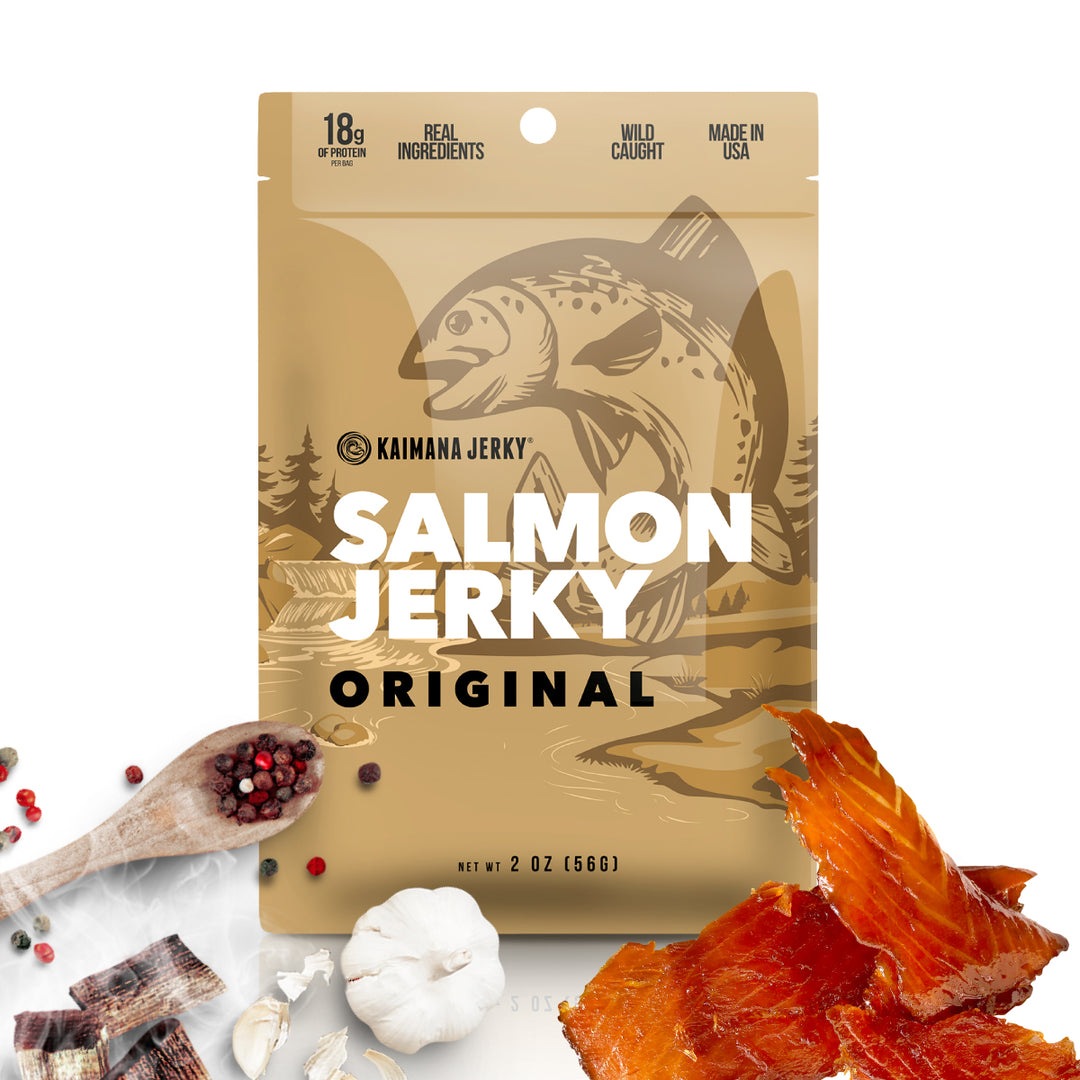
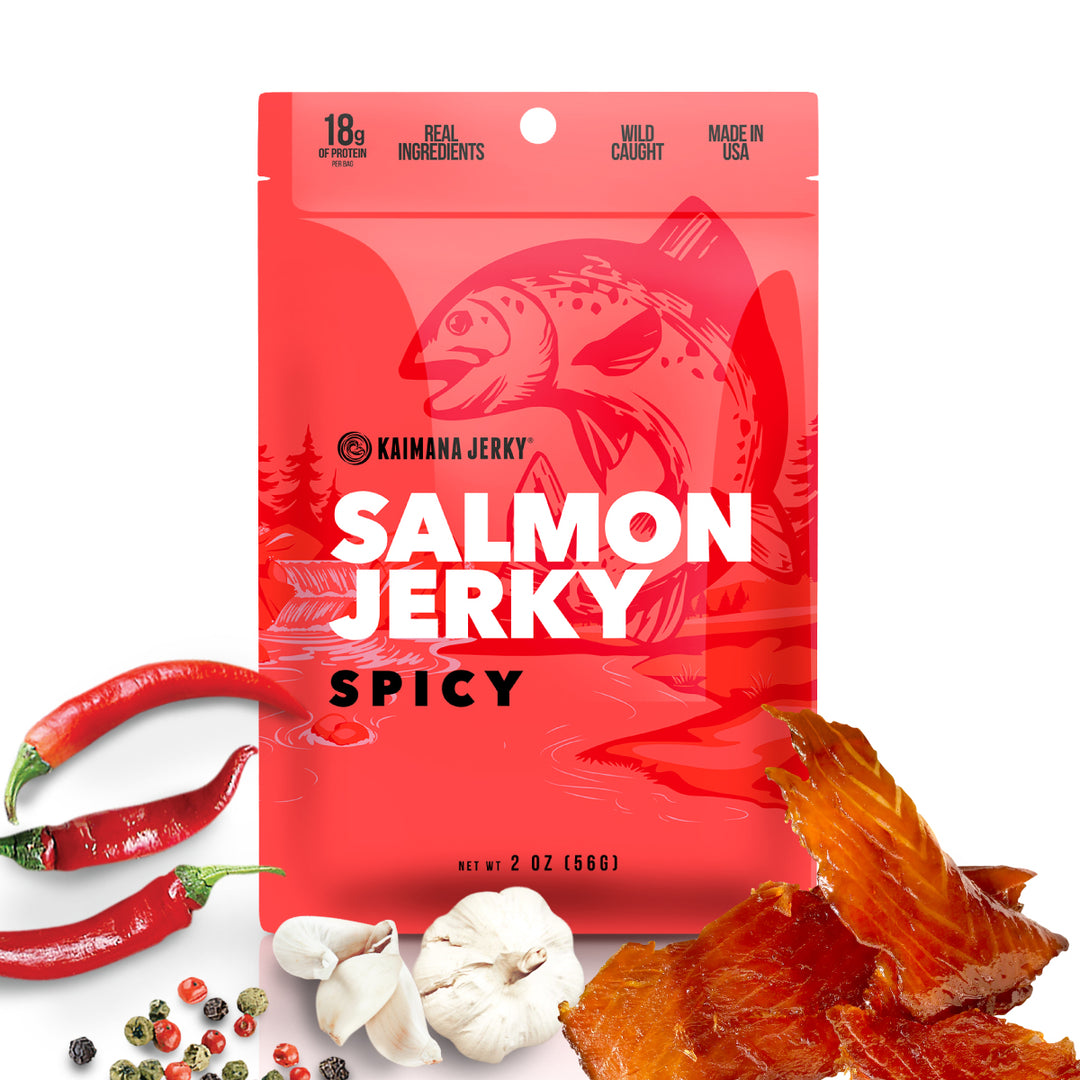
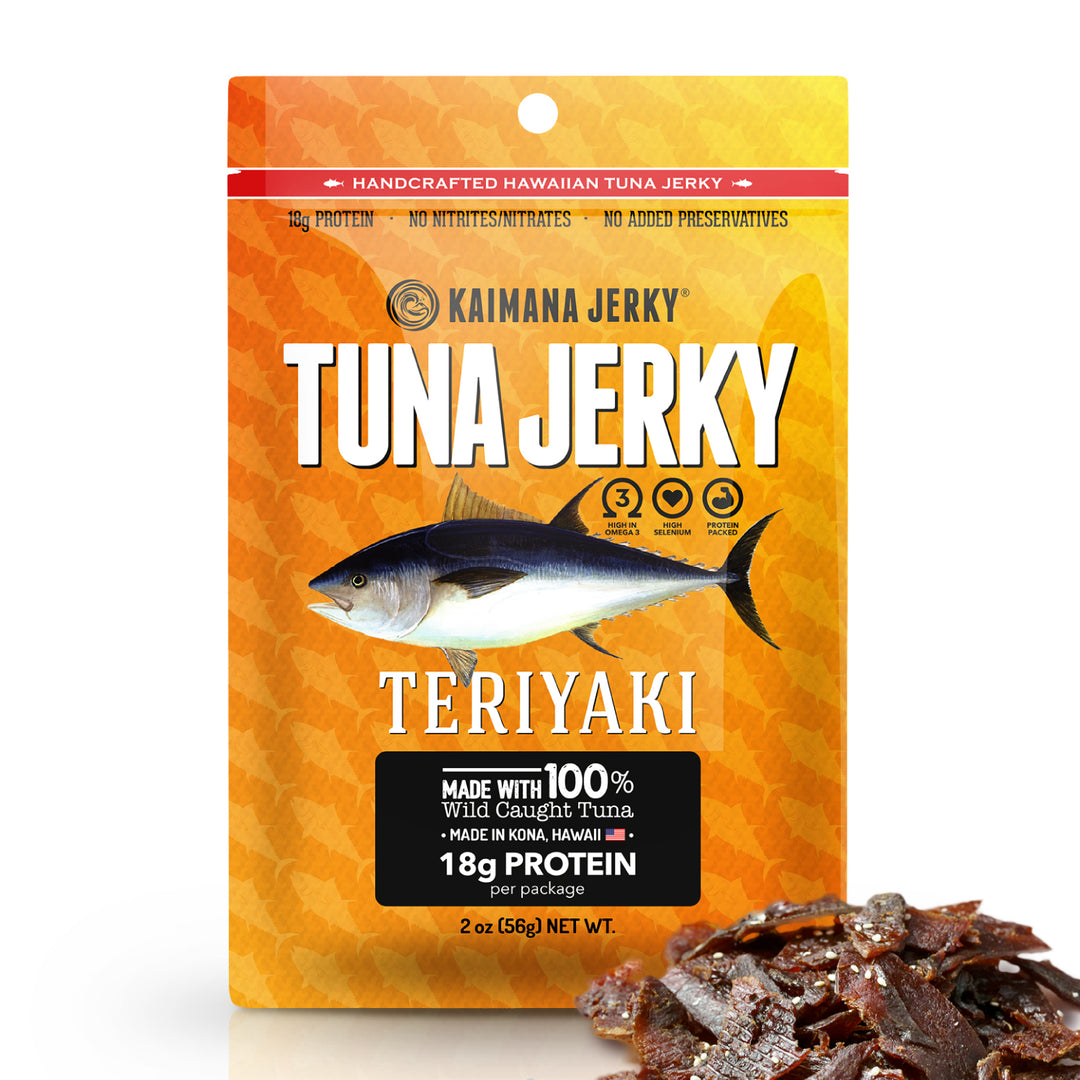
Jerky is a convenient option for busy schedules. Fish jerky in particular, offers a clean, high-protein option with simple ingredients that fit naturally within a carnivore diet food list. For those keeping their intake strict, sugar-free jerky options make it easy to snack without compromising the diet's structure.
Hard-Boiled Eggs
Eggs are easy to prepare, portable, and commonly used between meals in a carnivore diet meal plan.
Cooked Meat Portions
Leftover steak, chicken, or pork can be stored and eaten later, making it easier to stick to consistent carnivore diet meals.
Animal Fats
Animal fats play an important role in many carnivore diet meals, especially for cooking and energy.
Butter
Commonly used for cooking or adding flavor to meals.
Animal Fats (e.g., Tallow)
Often used in cooking, these fats are part of a traditional carnivore diet foods list and help support energy intake.
Dairy (Optional)
Dairy is not required and can vary depending on individual preference and tolerance.
Cheese
Some people include cheese in moderation as part of their carnivore diet plan, while others avoid it entirely.
Butter
Widely accepted and commonly used, even in stricter versions of the diet.
Drinks Allowed on the Carnivore Diet
Beverage choices are simple and limited within a strict carnivore diet.
Water
The primary and most recommended drink for hydration.
Bone Broth
Often included in carnivore diet recipes, bone broth can be consumed as a warm, simple addition.
Coffee and Tea (Optional)
These are not part of a strict carnivore diet food list, but some people include them in moderation, especially when transitioning from a standard diet.
Building a clear carnivore diet food list doesn’t have to be complicated. By focusing on simple, animal-based foods and keeping meals consistent, it becomes much easier to follow a sustainable carnivore diet meal plan over time.
7-Day Carnivore Diet Meal Plan
Planning your meals ahead of time makes it much easier to stick to a consistent carnivore diet plan. The goal isn’t variety for the sake of it; it’s simplicity. A basic carnivore diet meal plan focuses on repeatable, protein-rich foods that are easy to prepare and keep you full.
Here’s a simple 7-day structure using common foods from a standard carnivore diet food list:
Day 1–3
Breakfast: Eggs and Butter
A simple start to the day, eggs are quick to prepare and fit easily into most carnivore diet meals. Cooking them in butter adds flavor and fat.
Lunch: Grilled Chicken or Beef
Lean or fatty cuts can be used depending on preference. These are staple options in most carnivore meal ideas.
Dinner: Steak or Salmon
A larger protein-focused meal helps keep you full. Fish like salmon add variety to an otherwise repetitive all-meat diet.
Day 4–5
Breakfast: Scrambled Eggs with Meat
Combining eggs with leftover meat is an easy way to create filling carnivore diet meals without extra prep.
Lunch: Pork or Lamb
Rotating protein sources helps prevent boredom and keeps your carnivore diet foods list more balanced.
Dinner: Ground Beef or Roasted Chicken
Simple, easy-to-cook options that work well for meal prep and repeat use in a weekly carnivore diet meal plan.
Day 6–7
Breakfast: Eggs or Leftover Meat
Keeping breakfast flexible makes it easier to stay consistent with a carnivore diet for beginners.
Lunch: Fish or Poultry
Adding seafood or lighter meats helps vary your carnivore diet recipes without adding complexity.
Dinner: Steak or Mixed Meat Plate
A combination of different meats can be used to finish the week, offering variety within the limits of a meat diet.
Snack Options
- Jerky (beef or fish, no added sugar)
- Hard-boiled eggs
- Leftover cooked meat
These fit easily into a carnivore diet plan when you need something quick between meals. The same qualities that make fish jerky a reliable option for survival and travel scenarios also make it practical for everyday routines.
This sample carnivore diet meal plan is meant to keep things simple and practical. By rotating a few core foods and sticking to a consistent routine, it becomes much easier to follow a sustainable carnivore diet without overcomplicating your meals.
Carnivore Diet Recipes: Simple & Easy Meals
One of the biggest advantages of the carnivore diet is how simple cooking can be. You don’t need long ingredient lists or complicated steps; most carnivore diet recipes are built around just one or two core ingredients from your carnivore diet food list.
Here are a few easy meal ideas you can include in your daily routine:
Pan-Seared Steak
A classic staple in many carnivore diet meals, steak is quick to cook and highly satisfying. Simply season with salt and cook in butter or animal fat for a straightforward, protein-rich meal.
Scrambled Eggs with Meat
Eggs are one of the easiest ingredients to work with in a carnivore diet meal plan. Pairing them with leftover beef, chicken, or pork creates a filling and practical meal.
Grilled Chicken or Turkey
Lean and easy to prepare, grilled poultry works well for both lunch and dinner. It’s a simple option often used in beginner-friendly carnivore meal ideas.
Ground Beef Bowl
Ground beef is affordable, quick to cook, and widely used in carnivore diet recipes. It can be eaten on its own or combined with eggs for added variety.
Baked or Pan-Cooked Fish
Fish like salmon or ahi tuna add variety to an all-meat diet for those looking to expand their options Wahoo is another lean, mild-flavored fish worth including. It’s easy to prepare and fits well into a balanced rotation of carnivore diet meals.
Slow-Cooked Meat (Roasts)
Roasting beef, lamb, or pork allows you to prepare larger portions at once. This makes it easier to stay consistent with your carnivore diet plan throughout the week.
These simple carnivore diet recipes show that you don’t need complexity to stay on track. By sticking to a few core ingredients and rotating your carnivore meal ideas, you can maintain a consistent and sustainable routine.
For more Hawaiian recipes, visit here.
Pros and Cons of the Carnivore Diet
Like any eating approach, the carnivore diet comes with both potential benefits and limitations. Understanding both sides can help you decide whether this carnivore diet plan aligns with your goals and lifestyle.
Pros of the Carnivore Diet
Simple and Easy to Follow
One of the biggest advantages of a carnivore diet for beginners is its simplicity. With a limited carnivore diet food list, there’s no need to track complex ingredients or plan elaborate meals.
High Protein Intake
Most carnivore diet meals are naturally high in protein; it's the same reason fish jerky has become a go-to protein source for people who want filling, portable nutrition without the carbs.
Reduced Food Choices
By eliminating many food groups, the all-meat diet removes decision fatigue. This can make it easier to stick to a consistent routine.
Straightforward Meal Prep
Meals are often built around a single main ingredient, making carnivore diet recipes quick and easy to prepare.
Cons of the Carnivore Diet
Highly Restrictive
The diet eliminates all plant-based foods, which can feel limiting compared to a more flexible animal-based diet.
Limited Variety
Even with different meats and carnivore meal ideas, some people may find the lack of variety challenging over time.
Social and Lifestyle Challenges
Eating out or attending social events can be more difficult when following a strict carnivore diet plan.
Adjustment Period
Transitioning to a meat-only diet may take time, especially for those used to a more balanced or mixed diet.
The benefits of the carnivore diet often come down to its simplicity and structure, while the challenges are mostly related to restriction and lifestyle fit. Taking the time to understand both can help you approach the diet in a more informed and practical way.