Avocado Tuna Salad
Avocado can replace some or all of the mayonnaise when you want a creamy tuna salad made with a different base.
Ingredients:
- 2 cans tuna, 5 ounces each, drained
- 1 ripe avocado
- 1 tablespoon fresh lemon juice
- 1/2 cup diced cucumber
- 2 tablespoons finely chopped red onion
- 1/4 teaspoon black pepper
How to make it:
Mash the avocado with the lemon juice in a medium bowl.
Fold in the drained tuna, cucumber, and red onion. Season with black pepper and mix gently so some of the avocado texture remains.
Greek Yogurt Tuna Salad
Greek yogurt is another option when you want a creamy dressing without relying entirely on mayonnaise.
Ingredients:
- 2 cans tuna, 5 ounces each, drained
- 1/3 cup plain Greek yogurt
- 1/3 cup finely chopped celery
- 1/3 cup diced cucumber
- 1 tablespoon fresh lemon juice
- 1/4 teaspoon black pepper
How to make it:
Combine the tuna with Greek yogurt and lemon juice. Stir in chopped celery and cucumber, then season with black pepper. This simple tuna salad works well with crackers, greens, or bread.
Crunchy Vegetable Tuna Salad
If texture is what makes the best tuna salad for you, fresh vegetables can add plenty of crunch without overwhelming the tuna.
Ingredients:
- 2 cans tuna, 5 ounces each, drained
- 1/3 cup finely chopped celery
- 1/3 cup diced cucumber
- 1/4 cup shredded carrot
- 2 tablespoons finely chopped red onion
- 1/4 cup mayonnaise or plain Greek yogurt
- 1 tablespoon fresh lemon juice
How to make it:
Combine the drained tuna, celery, cucumber, carrot, and red onion in a bowl.
Add the mayonnaise or Greek yogurt and lemon juice. Stir until everything is evenly coated.
Tomato and Herb Tuna Salad
Fresh tomatoes and herbs give this easy tuna salad plenty of bright flavor without requiring a long ingredient list.
Ingredients:
- 2 cans tuna, 5 ounces each, drained
- 1 cup chopped tomatoes
- 1/2 cup diced cucumber
- 1/4 cup finely chopped red onion
- 2 tablespoons chopped fresh parsley or basil
- 1 tablespoon olive oil
- 1 tablespoon fresh lemon juice
- 1/4 teaspoon black pepper
How to make it:
Combine the drained tuna, tomatoes, cucumber, and red onion in a bowl.
Add the fresh herbs, olive oil, lemon juice, and black pepper. Toss gently until everything is evenly combined.
Easy Tuna Pasta Salad Recipe
A tuna pasta salad recipe can turn tuna into a more substantial lunch or dinner while still using familiar ingredients.
Ingredients:
- 2 cans tuna, 5 ounces each, drained
- 3 cups cooked and cooled pasta
- 1 cup chopped tomatoes
- 1 small garlic clove, finely minced
- 2 tablespoons fresh lemon juice
- 2 tablespoons olive oil
- 1/4 cup chopped fresh basil
- 1/4 teaspoon black pepper
How to make it:
Cook the pasta according to the package directions. Drain and allow it to cool.
Add the cooled pasta, drained tuna, tomatoes, garlic, lemon juice, olive oil, basil, and black pepper to a large bowl.
Toss gently until evenly combined. Refrigerate until ready to serve.
Tuna and Mixed Greens Salad
This is one of the easiest healthy salads with tuna when you want plenty of fresh vegetables and very little preparation. Readers who enjoy seafood paired with vegetables, grains, and other plant foods may also find this pescatarian diet and recipe guide useful.
Ingredients:
- 2 cans tuna, 5 ounces each, drained
- 4 cups mixed greens
- 1 cup diced cucumber
- 1 cup chopped tomato
- 1/4 cup thinly sliced red onion
- 2 tablespoons olive oil
- 2 tablespoons fresh lemon juice
- 1/4 teaspoon black pepper
How to make it:
Divide the mixed greens between two bowls. Top with cucumber, tomato, red onion, and drained tuna. Drizzle with olive oil and lemon juice, season with black pepper, and toss lightly before serving.
Sesame Tuna Salad
Sesame, soy, ginger, and fresh vegetables give this tuna salad a savory flavor with plenty of crunch. If those flavors are your favorite way to enjoy tuna, these Hawaiian ahi poke recipes offer another tuna-forward direction to try.
Ingredients:
- 2 cans tuna, 5 ounces each, drained
- 3 cups mixed greens
- 1/2 cup shredded carrot
- 1/2 cup diced cucumber
- 1/2 cup chopped tomato
- 1/4 cup thinly sliced red onion
- 1/2 cup shelled cooked edamame
- 1 tablespoon sesame seeds
For the dressing:
- 1 tablespoon peanut butter
- 1 teaspoon honey
- 1 tablespoon soy sauce or tamari
- 1 tablespoon rice vinegar
- 1 teaspoon grated fresh ginger
- 1 teaspoon sesame oil
- 1 to 2 teaspoons water, if needed
How to make it:
Whisk the dressing ingredients together until smooth. Combine the greens, carrot, cucumber, tomato, red onion, and edamame, then add the tuna. Drizzle with dressing and finish with sesame seeds.
Tuna and Farro Salad With Egg
Farro, vegetables, tuna, and hard-boiled egg create a more filling salad that can work well for lunch or meal prep.
Ingredients:
- 2 cans tuna, 5 ounces each, drained
- 2 cups cooked and cooled farro
- 2 hard-boiled eggs, sliced
- 1 cup halved cherry tomatoes
- 1/2 cup diced cucumber
- 1/4 cup finely chopped red onion
- 2 tablespoons chopped fresh parsley
For the dressing:
- 1 teaspoon Dijon mustard
- 1 1/2 tablespoons fresh lemon juice
- 2 tablespoons olive oil
- 1 teaspoon honey
- 1/4 teaspoon black pepper
How to make it:
Divide the cooked farro between two bowls. Top with drained tuna, cherry tomatoes, cucumber, red onion, sliced hard-boiled egg, and parsley.
Whisk together the Dijon mustard, lemon juice, olive oil, honey, and black pepper. Drizzle the dressing over the salads before serving.
Cabbage and Carrot Tuna Salad
Shredded cabbage and carrots give this simple tuna salad plenty of crunch and make it especially useful for sandwiches or wraps.
Ingredients:
- 2 cans tuna, 5 ounces each, drained
- 1 1/2 cups shredded cabbage
- 1/2 cup shredded carrots
- 1 cup mixed greens
- 1/4 cup mayonnaise
- 1 tablespoon fresh lemon juice
- 1/4 teaspoon black pepper
How to make it:
Combine the tuna with cabbage, carrots, and mixed greens. Stir mayonnaise with lemon juice, then fold the dressing into the tuna mixture. Finish with black pepper and serve as a salad, sandwich filling, or wrap.
These easy tuna salad recipes show how much variety you can create with a few simple ingredients. Start with a basic tuna salad recipe when you want something familiar, or add vegetables, avocado, eggs, pasta, grains, herbs, or different dressings to change the flavor and texture.
How to Make Tuna Salad More Flavorful
A few small additions can make a basic tuna salad taste much more interesting. The key is to balance creaminess with acidity, crunch, herbs, and seasoning without overpowering the tuna.
Add Something Bright
A little lemon juice can make tuna salad taste fresher and help balance richer ingredients such as mayonnaise or avocado. Start with a small amount, mix, and adjust to taste.
Use Fresh Herbs
Parsley, basil, or other fresh herbs can add freshness without making the salad heavy. Chop them finely so the flavor is distributed throughout the mixture.
Add Crunch
Celery, cucumber, carrots, and red onion can add texture as well as flavor. Using one or two crunchy ingredients is often enough to keep a simple tuna salad from feeling flat.
Try Mustard
A small amount of Dijon mustard can add extra depth and a slightly sharper flavor, especially in a classic tuna salad recipe or a tuna salad recipe with egg.
Season Gradually
Black pepper and other simple seasonings can make a noticeable difference. Add seasoning a little at a time and taste before adding more so the tuna remains the main flavor.
Change the Creamy Base
Mayonnaise is common, but Greek yogurt or mashed avocado can create a different flavor and texture. You can also combine mayonnaise with Greek yogurt if you want a lighter creamy base without removing mayonnaise completely.
The best tuna salad is usually about balance. A creamy ingredient, something crunchy, a little acidity, and simple seasoning can turn a basic tuna salad recipe into something much more flavorful.
What Can You Use Instead of Mayo in Tuna Salad?
Mayonnaise is common in tuna salad, but it is not the only way to make the mixture creamy. You can switch the base depending on the flavor and texture you want.
Greek Yogurt
Plain Greek yogurt can create a creamy tuna salad with a slightly tangy flavor. It works well with lemon juice, celery, cucumber, herbs, and black pepper.
Mashed Avocado
Mashed avocado adds creaminess and a richer texture without using mayonnaise. A little lemon juice can help brighten the flavor and keep the tuna salad from tasting too heavy.
A Combination of Mayo and Greek Yogurt
If you still like the flavor of mayonnaise but want a tangier creamy base, try using part mayonnaise and part Greek yogurt. This keeps some of the familiar creaminess while changing the overall texture.
Olive Oil and Lemon Juice
For a less creamy version, tuna can also be dressed with olive oil and lemon juice. This works especially well when the salad includes fresh vegetables, herbs, or greens.
The best substitute depends on the type of tuna salad you are making. Greek yogurt and avocado are better for creamy recipes, while olive oil and lemon juice work well when you want a lighter, fresher-style tuna salad.
How to Make a Tuna Salad Sandwich
A tuna salad sandwich is one of the easiest ways to turn a basic tuna salad into a quick lunch. The key is to use a tuna mixture that is creamy enough to hold together without being so wet that it makes the bread soggy.
Start With the Tuna Salad
Prepare your preferred tuna salad using tuna, a creamy ingredient such as mayonnaise or Greek yogurt, and any add-ins you enjoy, such as celery, onion, cucumber, herbs, or hard-boiled egg.
Choose the Bread
Use your preferred sandwich bread and toast it lightly if you want extra texture. Toasting can also help the bread hold up better against a creamy tuna filling.
Add Fresh Toppings
Lettuce, tomato, cucumber, or avocado can add freshness and texture. Keep the toppings fairly simple so the tuna salad remains the main part of the sandwich.
Assemble Just Before Eating
Spread the tuna salad evenly over one slice of bread, add your toppings, and finish with the second slice. If you are packing the sandwich for later, keeping very moist ingredients such as tomatoes separate until serving can help prevent soggy bread.
A classic tuna salad recipe works especially well for sandwiches because the creamy filling stays together and is easy to spread. You can also use a tuna salad recipe with egg, avocado tuna salad, or Greek yogurt tuna salad when you want a different texture or flavor.
How to Make Tuna Salad Higher in Protein
Tuna already gives the salad a protein-focused base, but you can make it more substantial with a few simple additions. For more background on tuna as a protein source, this article explains why ahi tuna can fit into a regular meal rotation.
Add More Tuna
The easiest way to increase the protein is simply to use a little more tuna. This keeps the flavor familiar while making the salad more filling.
Use Greek Yogurt
Plain Greek yogurt can replace some or all of the mayonnaise while adding extra protein and creaminess. It works especially well with lemon juice, celery, cucumber, and herbs.
Add Hard-Boiled Egg
A chopped hard-boiled egg adds both protein and texture. It also works naturally in a tuna salad recipe with egg or a classic-style tuna salad.
Mix in Edamame
Shelled edamame can add plant-based protein and a slightly firmer texture. It works best in tuna salads with fresh vegetables, greens, or lighter dressings.
Keep the Add-Ins Balanced
More protein does not mean you need to overload the bowl. Tuna, Greek yogurt, egg, or edamame can all help make the salad more substantial while still leaving room for vegetables, herbs, and other ingredients.
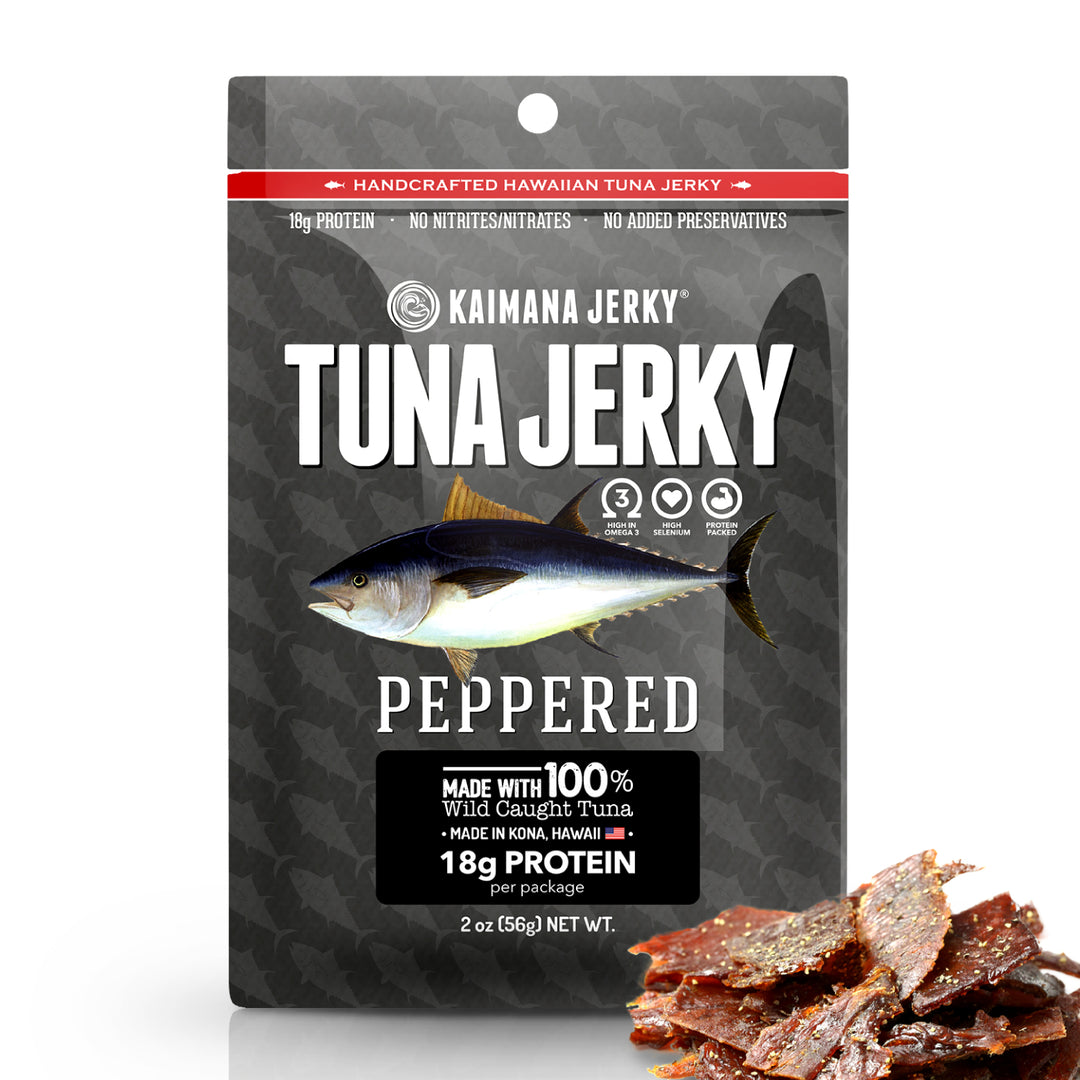
For a simple high-protein tuna salad, start with tuna and add either Greek yogurt, hard-boiled egg, or both. Tuna can also appear in other protein-focused forms, including ahi tuna jerky, which this article discusses alongside other nutrient-rich protein foods.
How Many Calories Are in Tuna Salad?
Tuna salad calories can vary quite a bit depending on the ingredients, portion size, and type of dressing used. A basic tuna salad made with tuna and a small amount of dressing will have a different calorie total from a recipe that includes larger amounts of mayonnaise, avocado, cheese, eggs, pasta, or other add-ins.
What Affects Tuna Salad Calories?
The biggest factors include:
- The amount of tuna used
- The type and amount of dressing
- Added ingredients such as eggs, avocado, cheese, or pasta
- The serving size
- Whether the salad is eaten on its own, in a sandwich, or with crackers
Dressing Can Make a Big Difference
Mayonnaise, Greek yogurt, avocado, and olive oil all create different nutrition profiles. If you are comparing tuna fish salad calories, pay attention to both the amount of dressing and the portion size rather than looking at tuna alone.
Check the Full Recipe
There is no single calorie count that applies to every tuna salad recipe. The most accurate approach is to look at the nutrition information for the specific ingredients and amounts you use.
If calories are something you are tracking, keeping the recipe simple and measuring ingredients can make it easier to understand what is in each serving.
What Goes Well With Tuna Salad?
Tuna salad is easy to pair with different foods, whether you want a quick snack, light lunch, or more complete meal. The best choice depends on how creamy, rich, or filling your tuna salad already is.
Whole-Grain Crackers
Crackers add crunch and make tuna salad easy to serve as a quick snack or lunch. Keep them separate until serving so they stay crisp.
Fresh Greens
Serve tuna salad over lettuce or mixed greens when you want something fresh and simple. Cucumber, tomatoes, and red onion can add more texture and flavor.
Sandwich Bread
A classic tuna salad works well between slices of bread for an easy lunch. Toasting the bread can add extra crunch and help it hold up against the creamy filling.
Fresh Vegetables
Cucumber, carrots, celery, and tomatoes can be served alongside tuna salad or used for scooping smaller portions.
Avocado
Avocado can be served alongside tuna salad or added directly to it for a creamier texture. It works especially well with tuna salads made with lemon juice and fresh vegetables.
Whole Grains
Tuna salad can also be paired with cooked grains or pasta when you want a more substantial meal. Keep the portions balanced so the tuna remains the main part of the dish.
Hard-Boiled Eggs
Sliced or chopped hard-boiled eggs can be served with tuna salad or mixed directly into it for additional texture and protein.
Tuna salad is flexible enough to work with crackers, bread, greens, vegetables, grains, or eggs. If you are serving a smaller portion as a snack, these healthy snack ideas offer more simple pairings built around protein, fiber, and healthy fats. Choose the pairing based on whether you want something light and fresh or a more filling meal.
How to Store Tuna Salad Properly
Proper storage helps keep tuna salad fresh and ready for your next meal. Once prepared, keep it refrigerated rather than leaving it out until you are ready to eat it.
Use an Airtight Container
Transfer the tuna salad to a clean, airtight container before placing it in the refrigerator. Keeping it covered also helps protect its texture and flavor while stored.
Keep It Refrigerated
Tuna salad generally lasts 3 to 4 days in the refrigerator when stored at 40°F (4°C) or below in a covered container. This is especially important once tuna has been mixed with other ingredients and prepared as a salad.
Store Sandwich Ingredients Separately
If you are preparing tuna salad for sandwiches, keep the tuna mixture separate from the bread until you are ready to eat. This helps prevent the bread from absorbing moisture and becoming soggy.
Check Before Serving
Give stored tuna salad a quick look and stir before serving. If anything about its appearance, smell, or texture seems unusual, it is better not to use it.
Good storage starts with a covered container and consistent refrigeration. The next question is how long tuna salad can actually stay in the refrigerator before it should be discarded.
How Long Does Tuna Salad Last in the Refrigerator
Tuna salad should be kept refrigerated after it is prepared. Store it in a clean, airtight container and keep the refrigerator at 40°F (4°C) or below to help maintain proper storage conditions.
Because the exact storage time can depend on the ingredients used and how the tuna salad was handled, avoid leaving it sitting out for extended periods. If the smell, appearance, or texture seems unusual when you take it from the refrigerator, it is best not to eat it.
For meal prep, make smaller batches when possible so you can enjoy the tuna salad while its texture and flavor are still at their best.